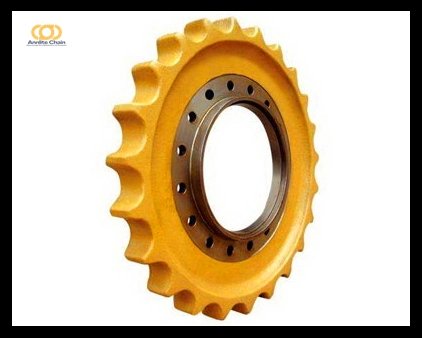
Advantages of Manufacturing Chain Sprockets for Heavy-Duty Machinery in ADI vs. Alloy Steel
At Castwise Manufacturing Co., a leading manufacturer of ADI castings from India, we recognize the significant advantages that Austempered Ductile Iron (ADI) offers over traditional alloy steel, especially in the production of high-performance components like ADI sprockets. As a quality casting exporter from India, we’ve seen firsthand how ADI enhances the durability and efficiency of heavy-duty machinery.
1. Superior Wear Resistance
- ADI: The austempering process gives ADI a unique combination of strength, toughness, and wear resistance. This makes it ideal for ADI sprockets in harsh environments, where durability is critical.
- Alloy Steel: While alloy steel offers good wear resistance, ADI’s properties typically result in a longer service life.
2. Impact Resistance
- ADI: ADI's excellent impact resistance helps absorb shocks and vibrations better than alloy steel, reducing fatigue over time—an essential feature for components like chain sprockets.
- Alloy Steel: Although strong, alloy steel may not absorb impacts as efficiently as ADI, making it less suitable for high-impact applications.
3. Weight Reduction
- ADI: Being lighter than alloy steel, ADI reduces the overall weight of machinery. This contributes to better fuel efficiency and less wear on other components.
- Alloy Steel: The higher density of alloy steel can increase the machinery's load, leading to higher operational costs.
4. Cost Efficiency
- ADI: As a quality casting exporter from India, we’ve found ADI to be more cost-effective than alloy steel, thanks to lower material costs and less intensive processing.
- Alloy Steel: The production of alloy steel involves higher costs due to expensive alloying elements and extensive heat treatment.
5. Fatigue Resistance
- ADI: ADI exhibits excellent fatigue resistance, which is crucial for components like chain sprockets that undergo repeated cycles of stress.
- Alloy Steel: While alloy steel has good fatigue resistance, ADI generally outperforms it under cyclic loading conditions.
6. Environmental Benefits
- ADI: The production of ADI is less energy-intensive than alloy steel, making it a more environmentally friendly option. Its lighter weight also contributes to lower fuel consumption and emissions in heavy machinery.
- Alloy Steel: Alloy steel production and processing are more energy-intensive, increasing its environmental impact.
7. Machinability
- ADI: ADI is easier to machine, which reduces manufacturing time and tooling costs—a benefit that Castwise Manufacturing Co. leverages to deliver high-quality products efficiently.
- Alloy Steel: Alloy steel can be more difficult to machine, leading to higher production costs and longer lead times.
In summary, ADI offers numerous advantages over alloy steel for manufacturing chain sprockets in heavy-duty machinery. Castwise Manufacturing Co., as a leading manufacturer of ADI castings from India, is committed to delivering superior quality and performance, making ADI sprockets the preferred choice for durability, cost savings, and environmental responsibility.