Our Services
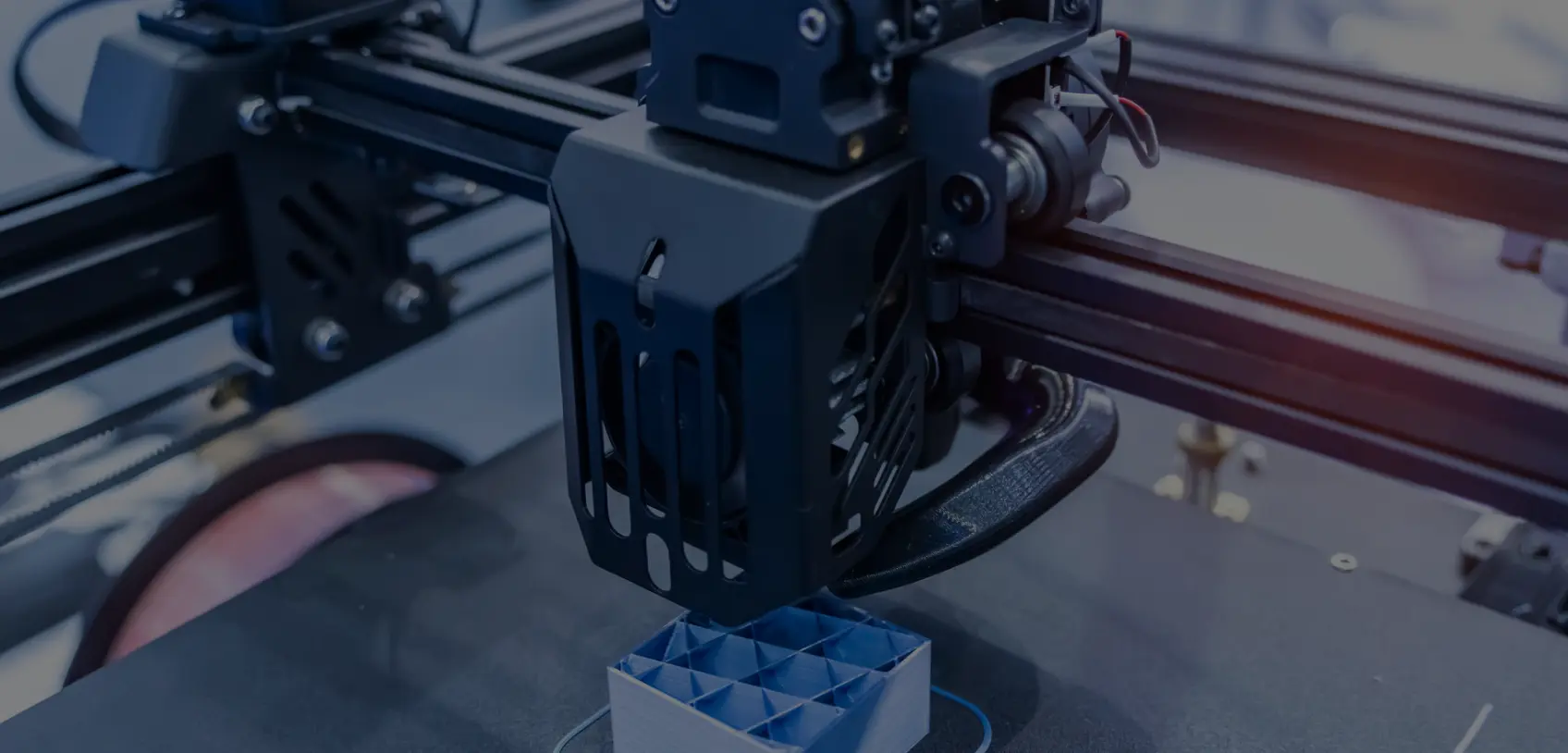
From reverse engineering to physical castings, our rapid prototyping shortens lead times and accelerates innovation.
- FOUNDRY
- MACHINING
- HEAT TREATMENT
- FOUNDRY TECH SUPPORT
- RAPID PROTOTYPING
- COATING SERVICES
Service
RAPID PROTOTYPING
We combine 3D printed patterns (outsourced to trusted partners), quick core boxes, and parallel gating design to cut development timelines drastically. Our end-to-end rapid development workflow enables CAD-to-casting turnaround in as little as 2 weeks for validated designs. to cut development timelines drastically. Ideal for early-stage validation, pilot lots, or first article submission.
Prototype Casting Development in India
OEMs require a method to evaluate a new part design in metal, not merely on a drawing or in simulation, before committing to full production tooling. Before investing in hard tooling and committing to volume runs, design teams can verify fit, function, and metallurgical performance by creating low-volume, first-off castings through the process of prototype casting development. This step is not considered a formality at Castwise, but rather a crucial checkpoint. It is designed to identify design flaws, such as inconsistent wall thickness, sections that are prone to shrinkage, and issues with machining clearance, while they are still cheap to fix rather than after 10,000 units have been cast.
The Process
Castwise facilitates the creation of prototypes from either a physical sample part without any drawings or a CAD file. Our team performs reverse engineering when there is only a sample, measuring and scanning the part to create a precise, manufacturable CAD model before pattern-making starts. We swiftly transition into rapid pattern-making after a design is complete, creating the equipment required to cast a first-off sample without the lead times connected with complete production patterns.
To get the part to a representative, testable state, it then undergoes casting, preliminary inspection, and, if necessary, machining. OEMs don't have to wait months to see if a concept works in metal thanks to this streamlined design-to-casting approach; instead, they can see it in weeks, with enough process discipline to ensure that the prototype accurately represents the part's behavior in production.
Materials & Capability - Prototype to Production Casting
The same material grades used in full production: ductile iron, grey iron, and Austempered Ductile Iron (ADI), are used in Castwise's prototype castings. This is more important than it may seem: a prototype made of a simplified or alternative material doesn't provide any accurate information about how the part will function when it is scaled. One of the main sources of surprise later in a program is eliminated when OEMs use production-grade metallurgy during the prototype stage to provide test data, such as tensile strength, hardness, and fatigue behavior, that truly holds up when the design moves into volume manufacture.
Why Choose Castwise for Prototype Casting Development
At Castwise, every prototype project undergoes a DFM (Design for Manufacturability) evaluation, which identifies casting-related hazards in the design prior to tooling cutting rather than after. This indicates that the process from authorized prototype to full production is organized rather than haphazard when combined with PPAP documentation readiness. The true risk for OEMs is not producing a single part but rather finding a flaw or inconsistency after scaling to thousands of units. That gap is closed by validating both design and material performance during the prototype stage, which reduces the number of unknowns when moving to volume production.
Turnaround
Castwise produces a first cast prototype from an authorized drawing or sample in at least five days, and a completely machined sample is available in the next five days (additional). Scaled production usually starts four weeks after a prototype is authorized. Prototype orders can be placed at low to mid minimum order quantities, which are often calculated around a 300 kilogram batch minimum. This means that smaller components can be ordered in proportionate to greater piece counts, for example, about 30 pieces for a 10 kg part or 100 pieces for a 3 kg part.
In order to avoid any surprises when a project progresses from design review to pattern-making, our team discloses tooling and pattern prices for prototype creation up front as part of the first quote. These costs are determined depending on part complexity and size.
To discuss your prototype casting requirements, send an RFQ or arrange a call with our team today.
Capabilities
From Vision to Reality Our Design Services
Cover Every Corner of Your Home

Ideal For : New launches, reverse engineering, urgent samples