
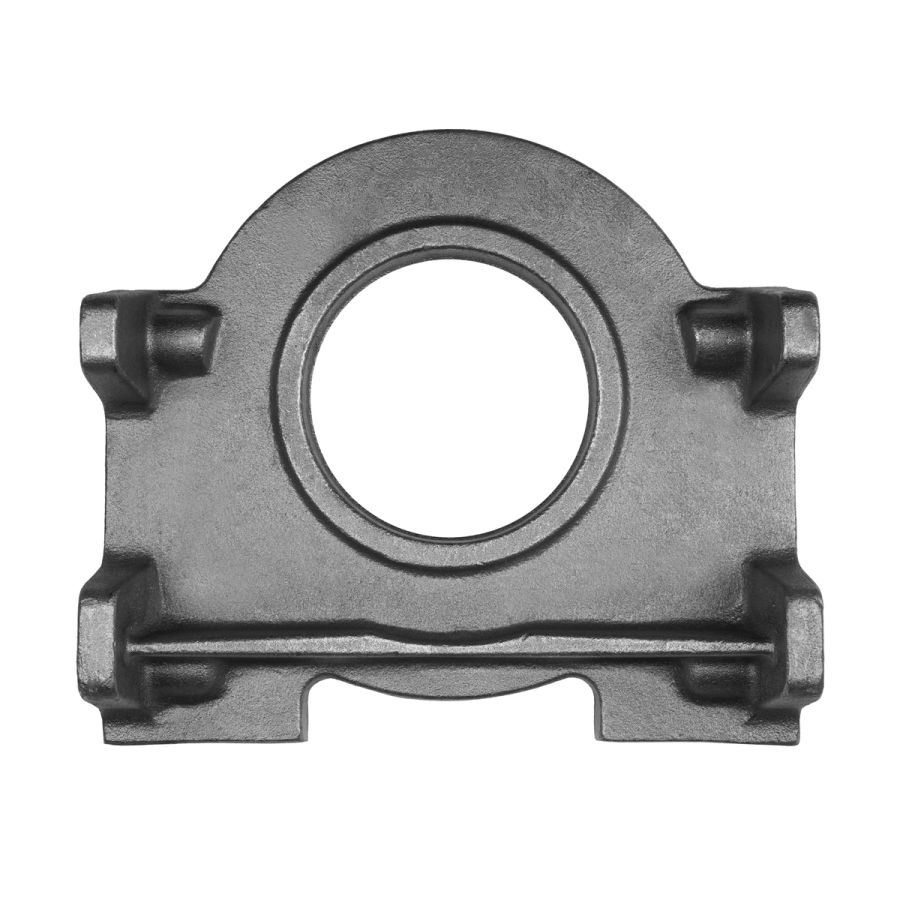
Understanding Surface Roughness in Iron Castings: Insights from a Jolt-Squeeze Molding Line
Introduction
At Castwise Manufacturing Co., a leading foundry in India specializing in high-quality castings, we understand that achieving a smooth surface finish is crucial for the performance and appearance of iron castings. This article explores the factors affecting surface roughness in iron castings produced using a jolt-squeeze molding line in green sand molding and offers strategies to enhance smoothness.
Factors Affecting Surface Roughness
- Molding Sand Quality
- Green Sand Composition: The quality of green sand, including its grain size, moisture content, and binder type, significantly impacts surface roughness. A finer sand grain size generally results in a smoother surface. Regularly checking and maintaining the optimal sand mixture helps reduce roughness.
- High-Quality Sand Additives: Using high-quality sand additives, such as clay and bonding agents, can improve the sand's cohesion and stability. This enhances the sand's ability to hold its shape during molding, reducing surface defects and leading to a smoother finish.
- Mold Design and Condition
- Pattern Accuracy: The precision of the mold pattern directly affects the casting's surface finish. Accurate and well-maintained patterns lead to better surface quality. Ensure that patterns are regularly inspected and repaired to maintain high standards.
- Mold Strength: Adequate mold strength is crucial. Weak or inconsistent mold strength can lead to surface defects like sand sticking or distortion. Properly designed and maintained molds contribute to smoother surfaces.
- Jolt-Squeeze Molding Process
- Compaction Pressure: The jolt-squeeze molding process involves compacting the sand around the pattern. Consistent and precise compaction pressure ensures uniform sand density and reduces surface roughness. Calibration of the compaction equipment is essential for maintaining quality.
- Jolt Frequency: The frequency of jolting impacts the sand's compaction and, subsequently, the surface finish. Adjusting jolt settings to match specific casting requirements helps in achieving a finer surface.
- Casting Material
- Iron Type: The choice of iron material affects surface finish. For instance, Austempered Ductile Iron (ADI) offers superior surface hardness and smoother finishes compared to conventional steel. ADI's unique properties, resulting from its heat treatment process, provide a more refined surface.
- Alloy Composition: The chemical composition of the molten iron, including elements like carbon and silicon, influences the surface finish. Properly controlled alloy composition ensures a smoother surface.
- Casting Temperature
- Pouring Temperature: The temperature at which the iron is poured into the mold affects the surface quality. High pouring temperatures can lead to defects like rough surfaces or gas porosity. Maintaining the optimal pouring temperature helps achieve a smoother finish.
- Post-Casting Processes
- Machining and Finishing: Post-casting processes like machining and surface finishing can significantly improve the smoothness of the final product. Techniques such as grinding, sanding, and shot blasting can refine the surface to meet precise specifications.
- Inspection and Quality Control: Regular inspection and quality control are vital for ensuring surface roughness meets the required standards. Implementing rigorous inspection processes helps identify and correct issues early.
Achieving Smoother Surfaces
To enhance the surface smoothness of iron castings, consider the following strategies:
- Optimize Green Sand Mixture: Ensure the green sand mixture is well-balanced with the right grain size and moisture content.
- Select Quality Materials: Use high-quality sand additives, such as superior clay and bonding agents, to improve sand stability and reduce surface defects. This ensures a better surface finish and fewer imperfections in the final product.
- Maintain Mold Precision: Regularly inspect and maintain mold patterns and strength.
- Adjust Jolt-Squeeze Settings: Calibrate compaction pressure and jolt frequency for consistent results.
- Select Quality Materials: Use high-quality materials like ADI for better surface finishes.
- Control Casting Temperature: Monitor and control pouring temperatures to reduce defects.
- Implement Effective Post-Casting Techniques: Employ appropriate finishing techniques and rigorous quality control.
Conclusion
At Castwise Manufacturing Co., our expertise as a foundry in India ensures that we produce precise cast products with excellent surface finishes. By understanding and managing the factors affecting surface roughness, including the benefits of using advanced materials like Austempered Ductile Iron (ADI), we continue to deliver high-quality, smooth-surfaced castings that meet our clients' exacting standards.
For more information on our quality castings and how we can meet your specific needs, contact us today at [email protected] & [email protected]